ETFs
-
SCHD ETF Review 2026: Dividend Quality vs VTV in an AI Portfolio
Can SCHD’s dividend-quality screen balance an AI-heavy portfolio? Compare its 0.06% fee, income strategy and VTV’s…
-
BND ETF Review 2026: Bond Diversification for AI Investors vs AGG
BND can add investment-grade bonds to an AI-heavy portfolio, but bonds are not cash. Understand duration,…
-

VXUS ETF Review 2026: Global Stocks Beyond America vs VEA
Is your portfolio too dependent on American tech? VXUS adds developed and emerging stocks outside the…
-
SPY vs SPYM in 2026: S&P 500 ETF for Traders or Long-Term Savers?
SPY and SPYM track the S&P 500, yet SPYM charges 0.02% versus SPY’s 0.09%. Which suits…
-
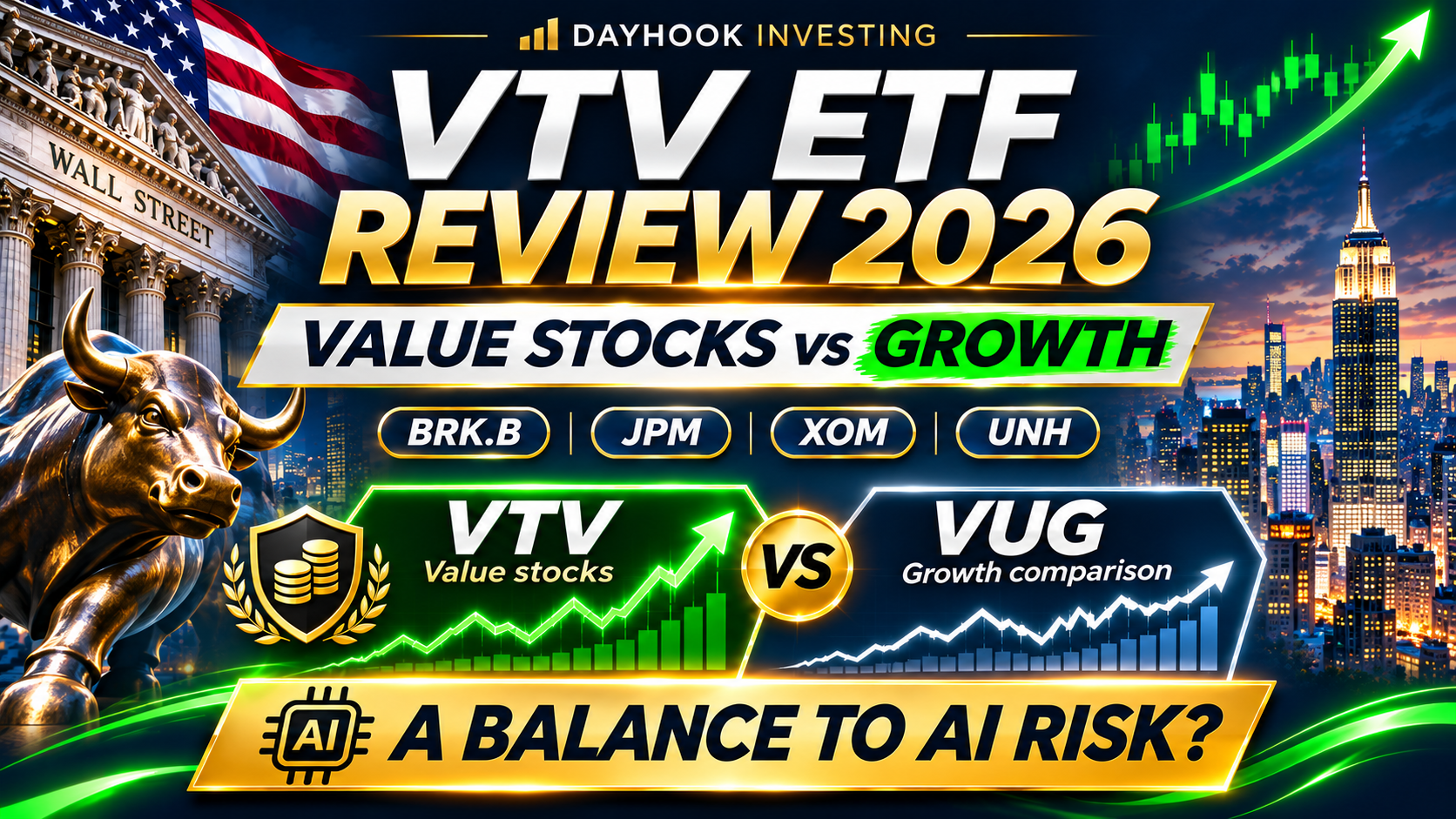
VTV ETF Review 2026: Value Stocks vs VUG for an AI-Heavy Portfolio
Growth stocks dominate your portfolio? VTV holds U.S. large-cap value companies and may balance style risk—but…
-

VUG ETF Review 2026: Growth Stocks, AI Exposure and VUG vs QQQ
VUG combines fast-growing U.S. businesses and AI leaders at a 0.03% fee. Discover where it differs…
-
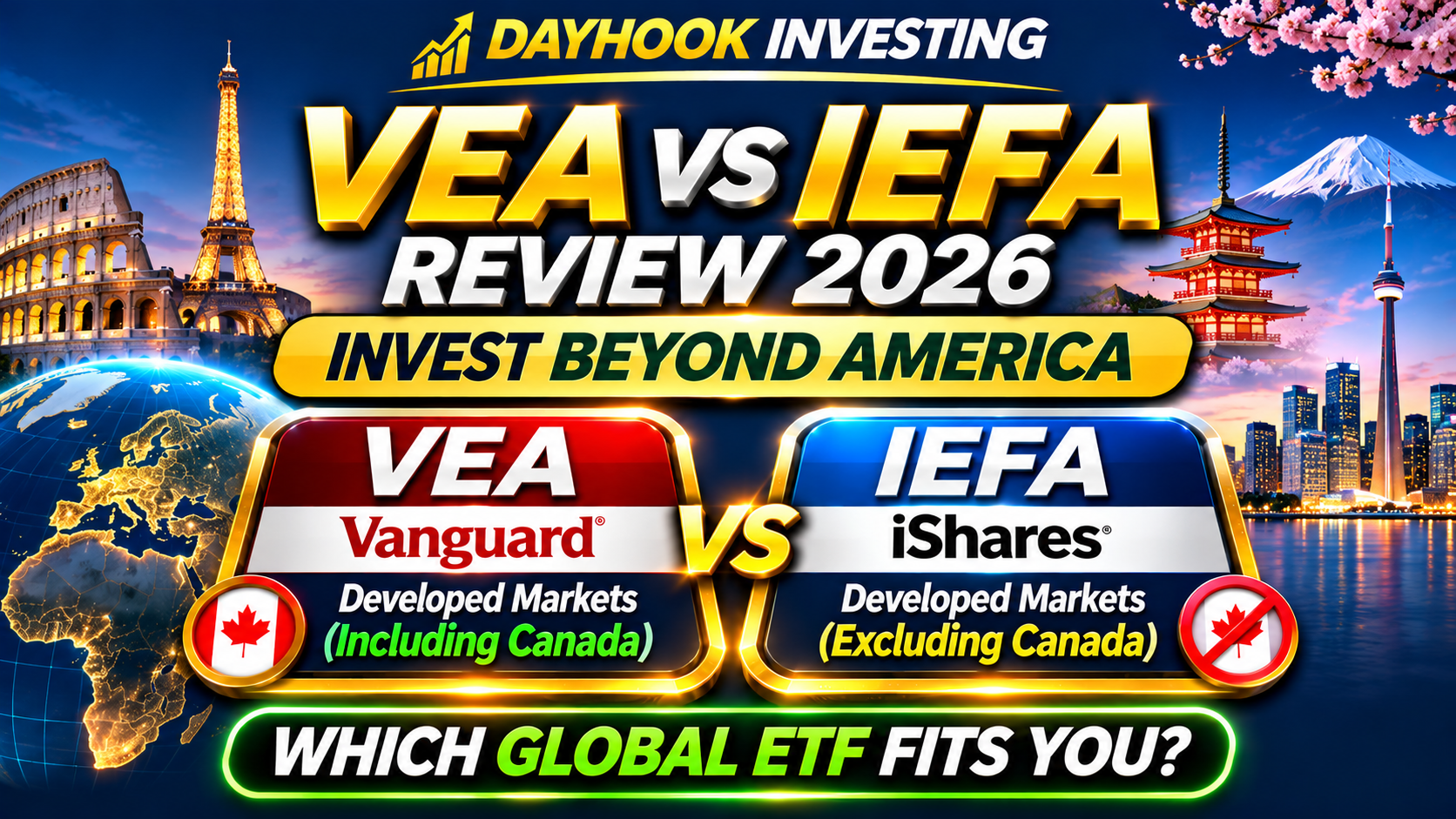
VEA vs IEFA in 2026: Best Developed-Market ETF Beyond U.S. Stocks?
VEA includes Canada, IEFA generally does not—and the fees differ. See how to diversify a U.S.-heavy…
-
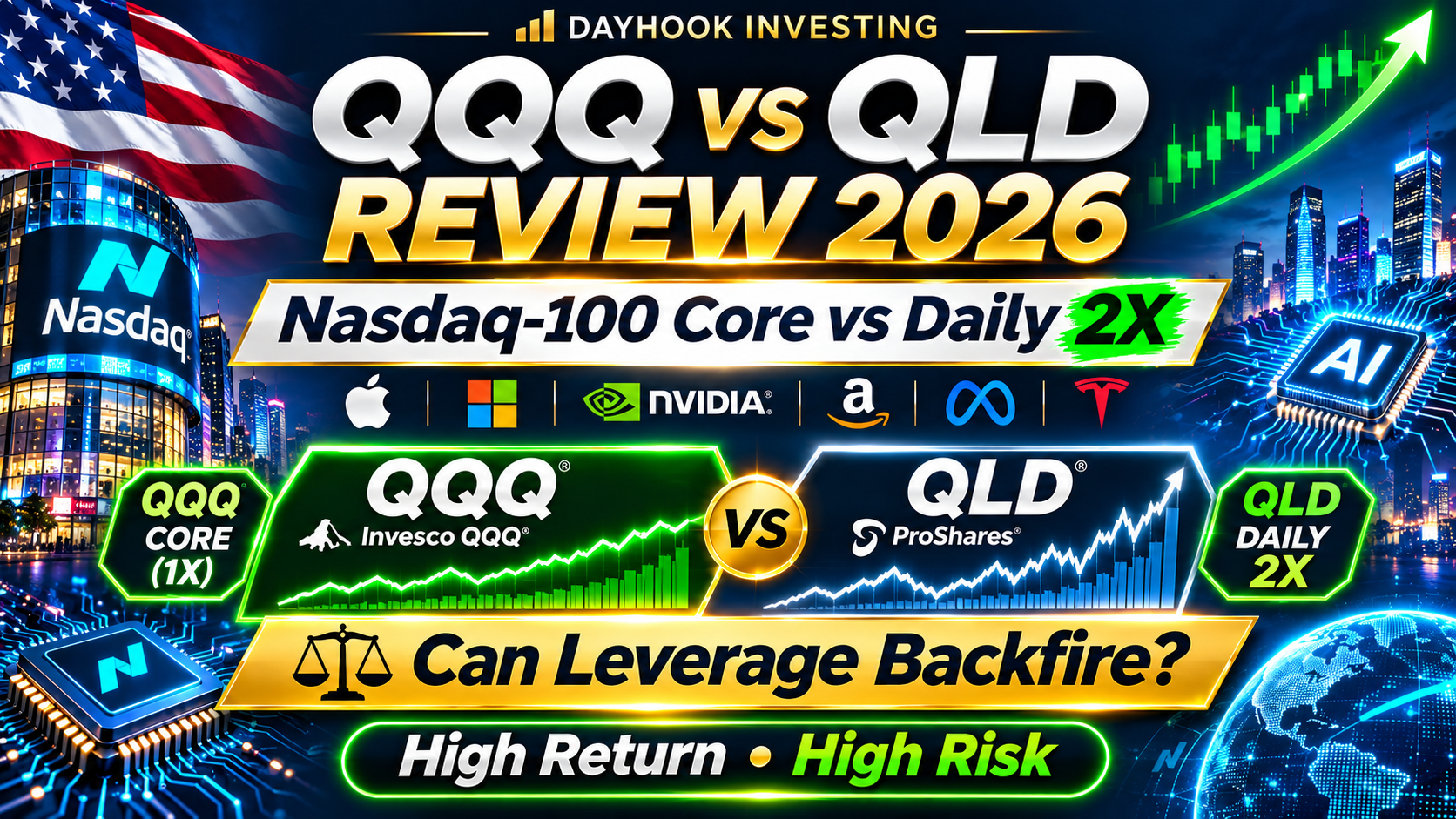
QQQ vs QLD in 2026: Nasdaq-100 Core or Daily 2X Leverage?
QQQ offers Nasdaq-100 exposure; QLD seeks 2X of each daily move. See why leverage compounding changes…
-
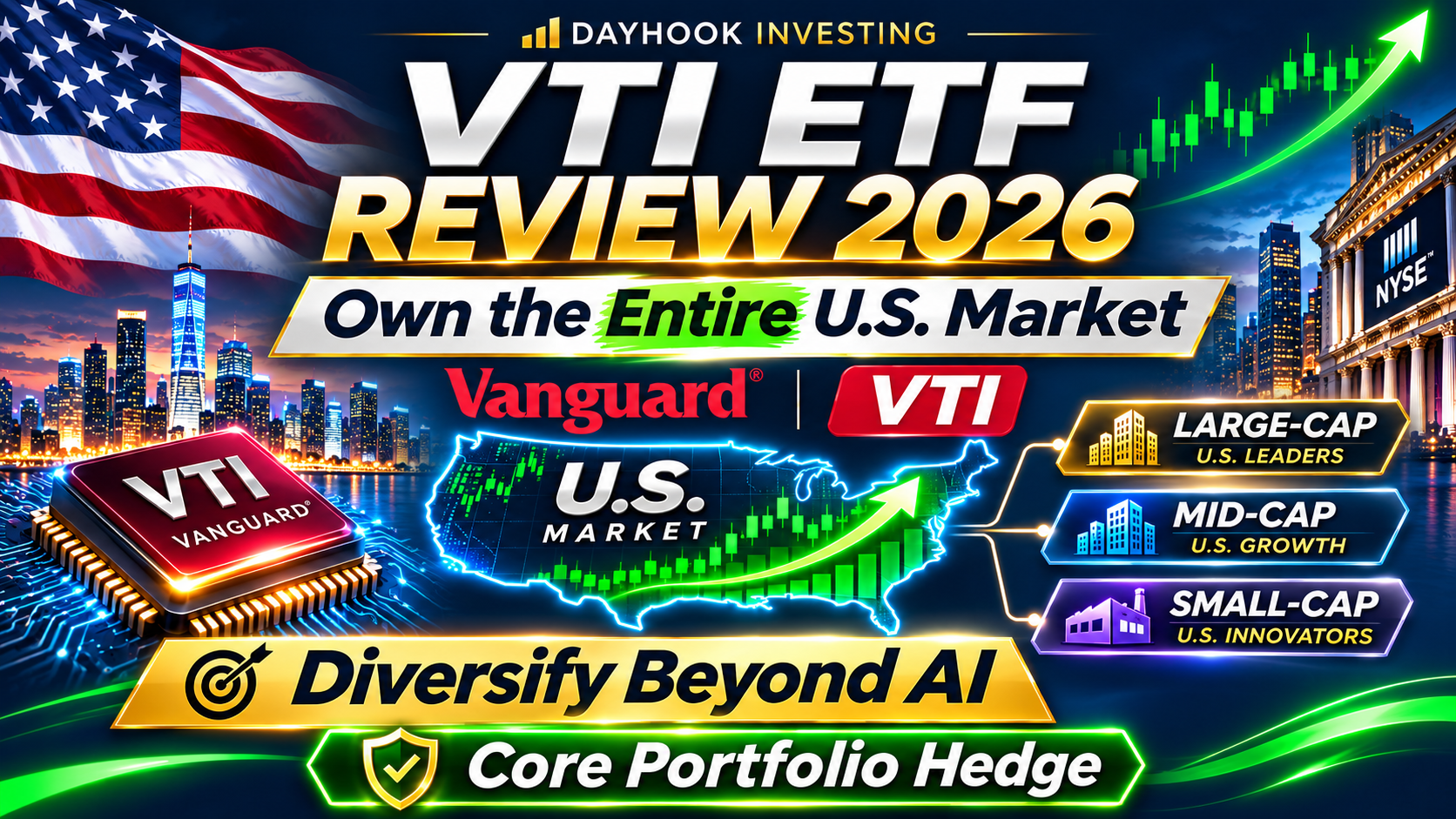
VTI ETF Review 2026: Why a Total U.S. Market Fund Can Balance AI Investing
Too much NVIDIA, AIQ or QQQ in one portfolio? VTI adds U.S. mid- and small-cap stocks—but…
-
VOO vs IVV in 2026: Same 0.03% Fee—Which S&P 500 ETF Is Better?
VOO and IVV both charge 0.03%. So what actually separates these S&P 500 giants—and which one…